Returnable
Dish Program
Hawaiʻi Island is home to 200,000+ residents, over 3,500+ establishments serving food and beverages, and is frequented annually by upwards of 1.5 million tourists. The solid waste generated on the island is gathered at transfer stations and then transported to the only waste disposal option on the island: the landfill located in Puʻuanahulu, Kona.
There is an urgent need for waste reduction on Hawaiʻi Island.
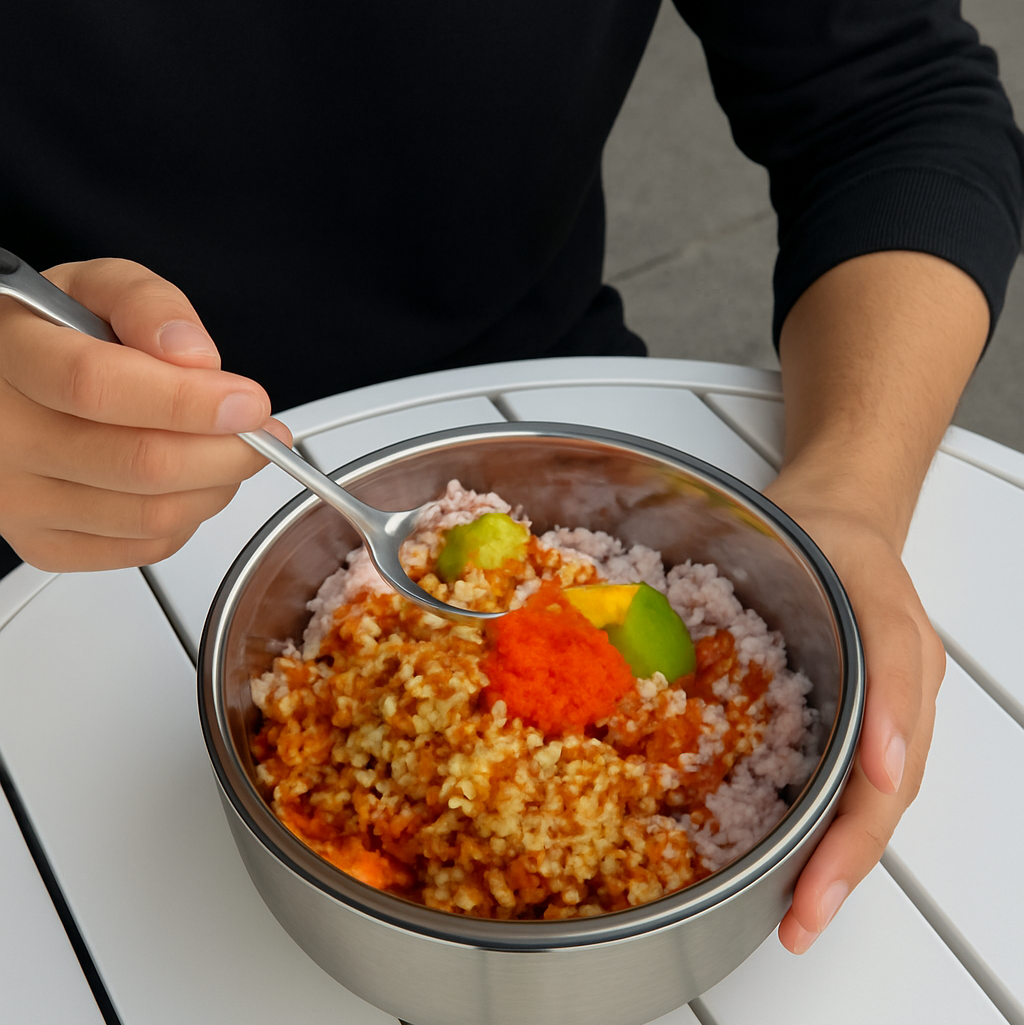
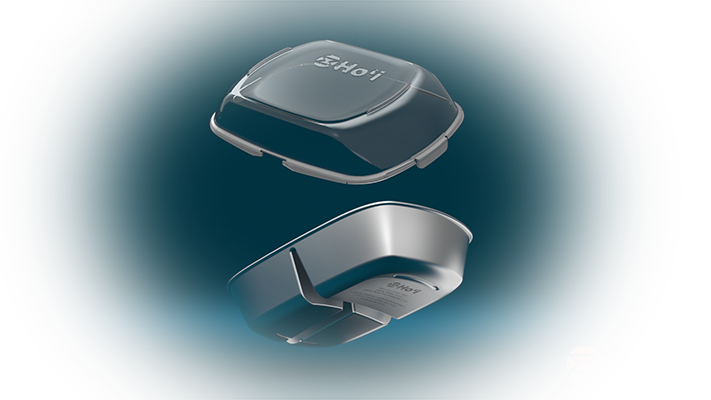
Imagine each person on Hawaiʻi Island having a new opportunity to drastically reduce trash. Here’s how it works: As you order your mea ʻai (or mea inu!) you borrow a returnable stainless steel cup or dish that holds your food or drink securely. When your meal is pau, you return the cup or dish to one of the Ho'i Return Pointsbins placed around town, where it’s picked up, washed, sanitized, and returned to businesses to be used again and again.
You won’t have to imagine for long — starting in early 2026, this will be reality in Hilo. Learn about all of the expected benefits of this project here.


Enjoy your food or drink
in a Ho‘i Dish.

Return the Ho‘i Dish to
a Ho‘i Return Point.

Repeat by choosing Ho‘i at any participating location.
Na Hilo, no Hilo kēia
Designed by us, for us
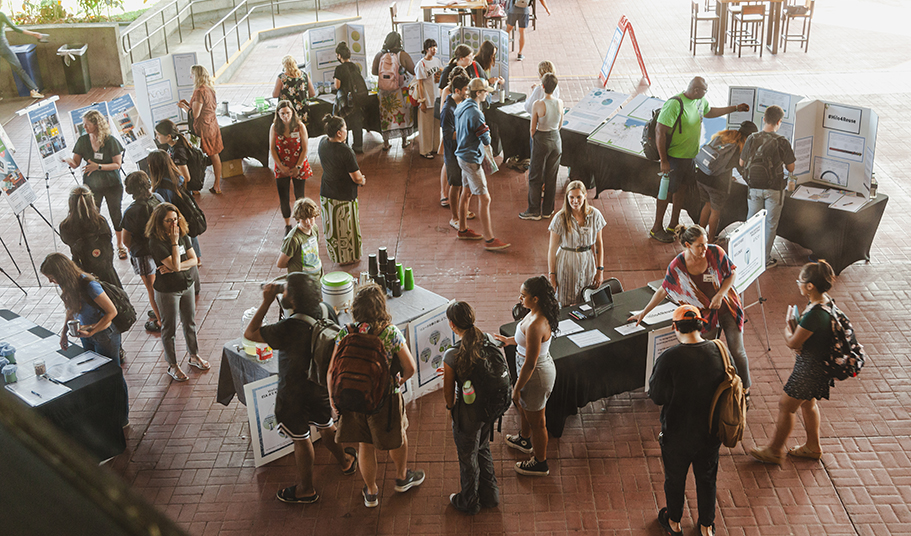
Over the past two years, local leaders, reuse experts, businesses, and residents have worked together to shape this solution. Through workshops, listening sessions, and cultural grounding, Hoʻi has been co-designed to reflect Hilo’s values, priorities, and daily life.
Join the program- Plastic and microplastic reduction: By using stainless steel for primary foodware items this program will significantly reduce community-wide exposure to microplastics.
- Waste Reduction: Significant reduction in single-use foodware waste across Hilo, helping to meet County waste diversion, climate, and sustainability goals all while reducing the costs associated with waste hauling and litter cleanup.
- Economic Development: Creation of new local jobs tied to washing facility operations, collection logistics, and program administration. More money stays in the local economy.
- Business Benefits: Cost-per-use pricing remains comparable to disposable alternatives, allowing businesses to transition to reusable foodware without added financial strain—while also reducing exposure to supply chain disruptions tied to single-use inventory.
- Community Health Impact: Reduce the community’s exposure to chemicals of concern associated with disposable foodware.

.png)